
Your teenager is drinking or vaping. What now?
TEENAGERS · DRUGS · MENTAL HEALTH
Get science-informed guidance to understand your teenager’s substance use, decide when to be concerned, and respond in ways that keep communication open.

Inside Adolescence, every week by email. Unsubscribe any time.
Clinical psychologist · Brown University professor

Welcome
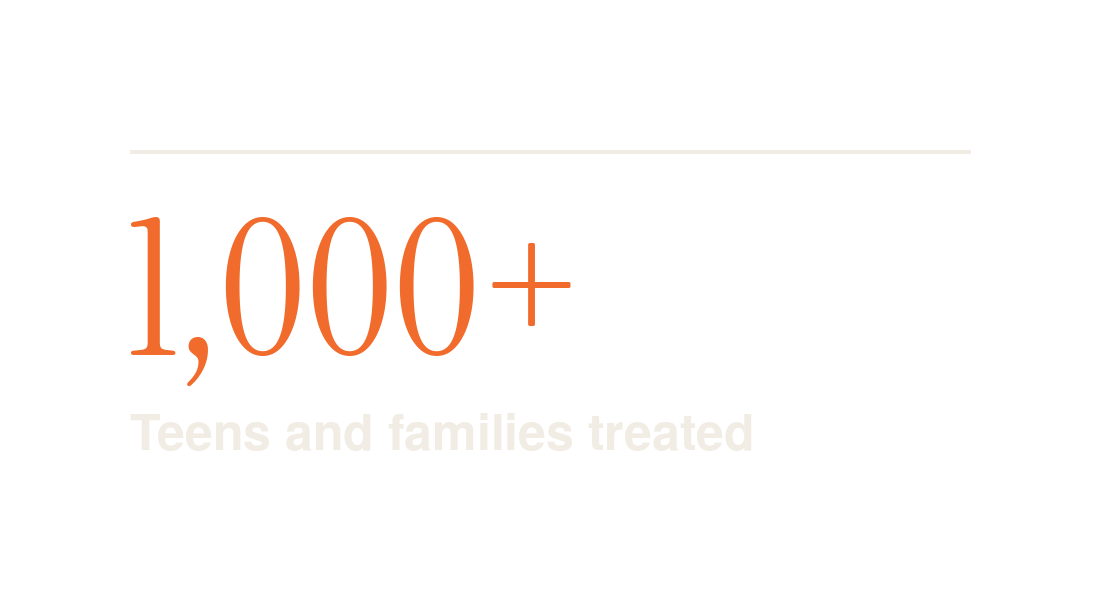
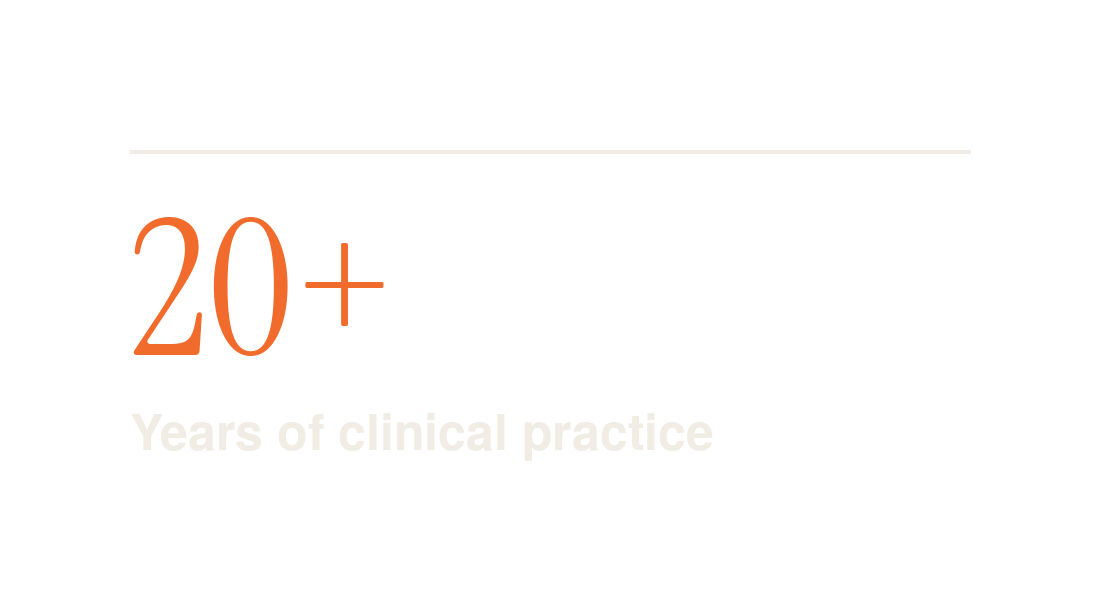
I’m Dr. Robert Miranda Jr., a board-certified clinical psychologist, Brown University professor, and father of two teenagers. I founded and lead Vista, a treatment program for adolescents recognized by SAMHSA as a national model. At Inside Adolescence, I bring together science, clinical experience, and the realities of parenting to help you make sense of your teenager’s substance use and mental health—and figure out what to do next.
The world is built to reach your teenager.
You need a way to reach them, too.
Discovering substance use is one thing. Understanding what it means for your teenager is another. Location trackers, monitoring apps, and home drug tests may give parents information, but they cannot fully explain why a teenager is using, how it fits into their life, or what to do next.
In my work with families, I help parents navigate these decisions. Three principles guide that work:
Hold the line. Set clear expectations about substance use, and take action when safety is at stake.
Give them room. Teenagers still need opportunities to develop independence, even when substance use means some limits need to change.
Keep them talking. Make room to listen, even when you disagree.
Your own adolescence is a poor ruler.

Most of us measure our kids’ adolescence against our own teenage years. I do it too. But the adolescence we remember is not the one our children are living.
Three important things about alcohol and drugs have changed.


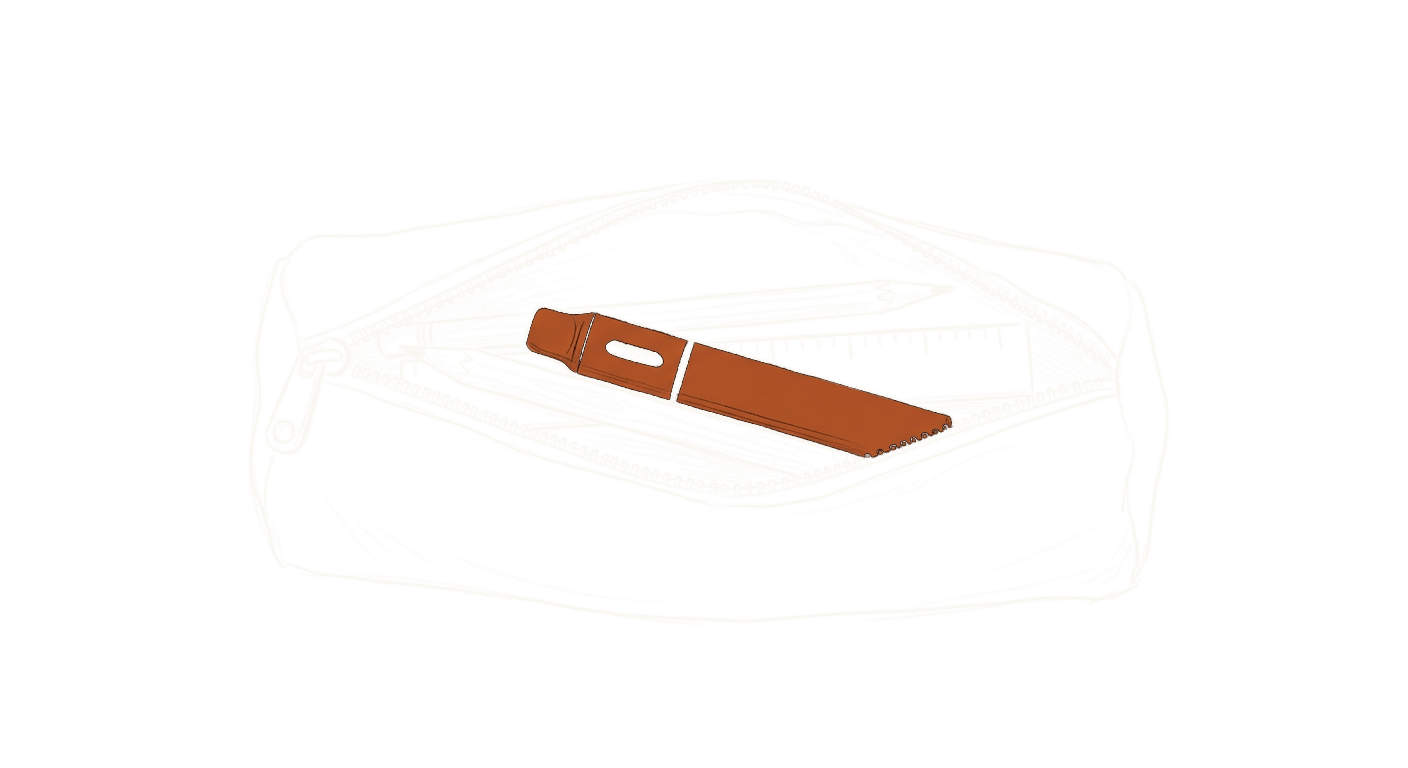
Past generations
A generation ago, cannabis averaged about four percent THC.
Adolescence today
A vape cartridge can be 80% or more.

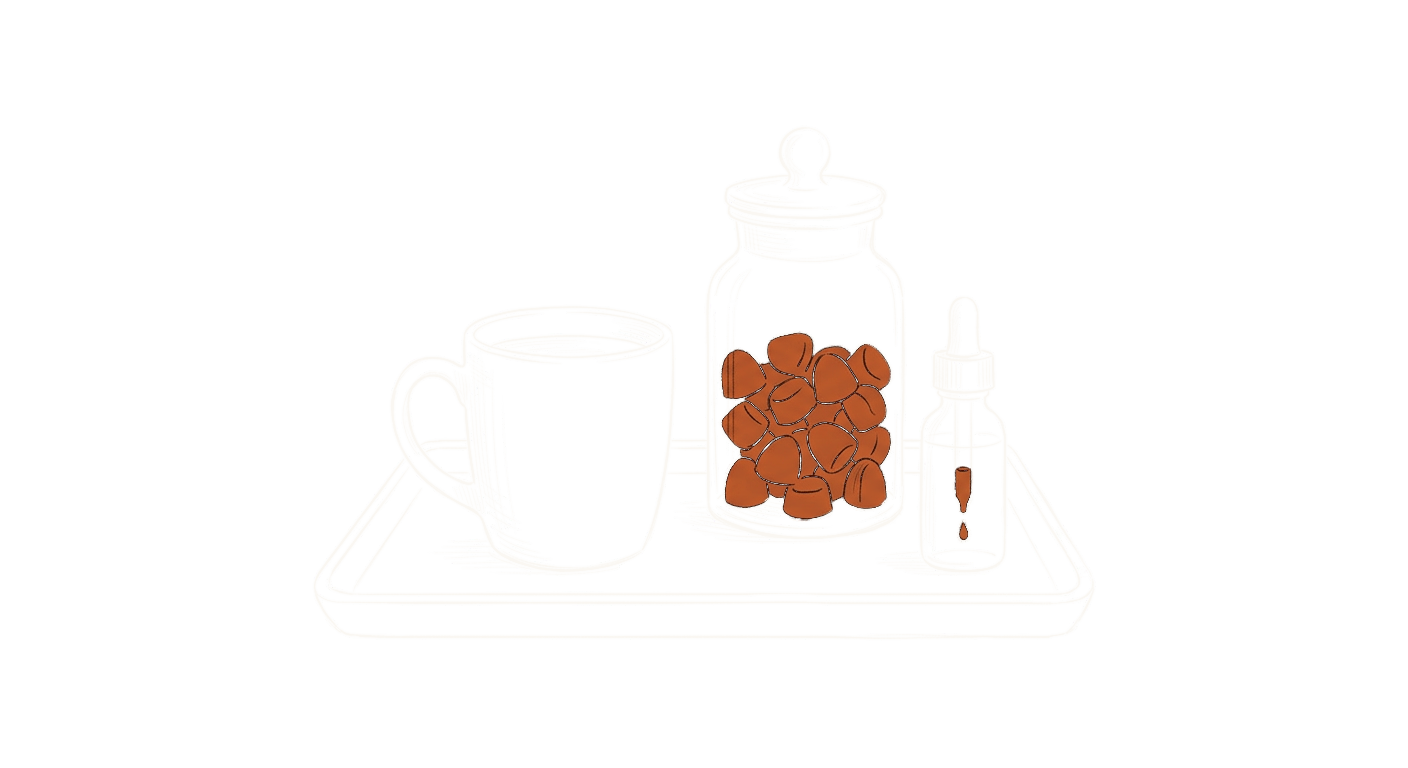
Past generations
“This is your brain on drugs.”
Dispensaries on Main Street. The vape pen is built to go down smooth. Gummies sold as wellness. Psychedelics in the news as therapy. Add social media feeds, and teens are managing many streams of information.
Adolescence today

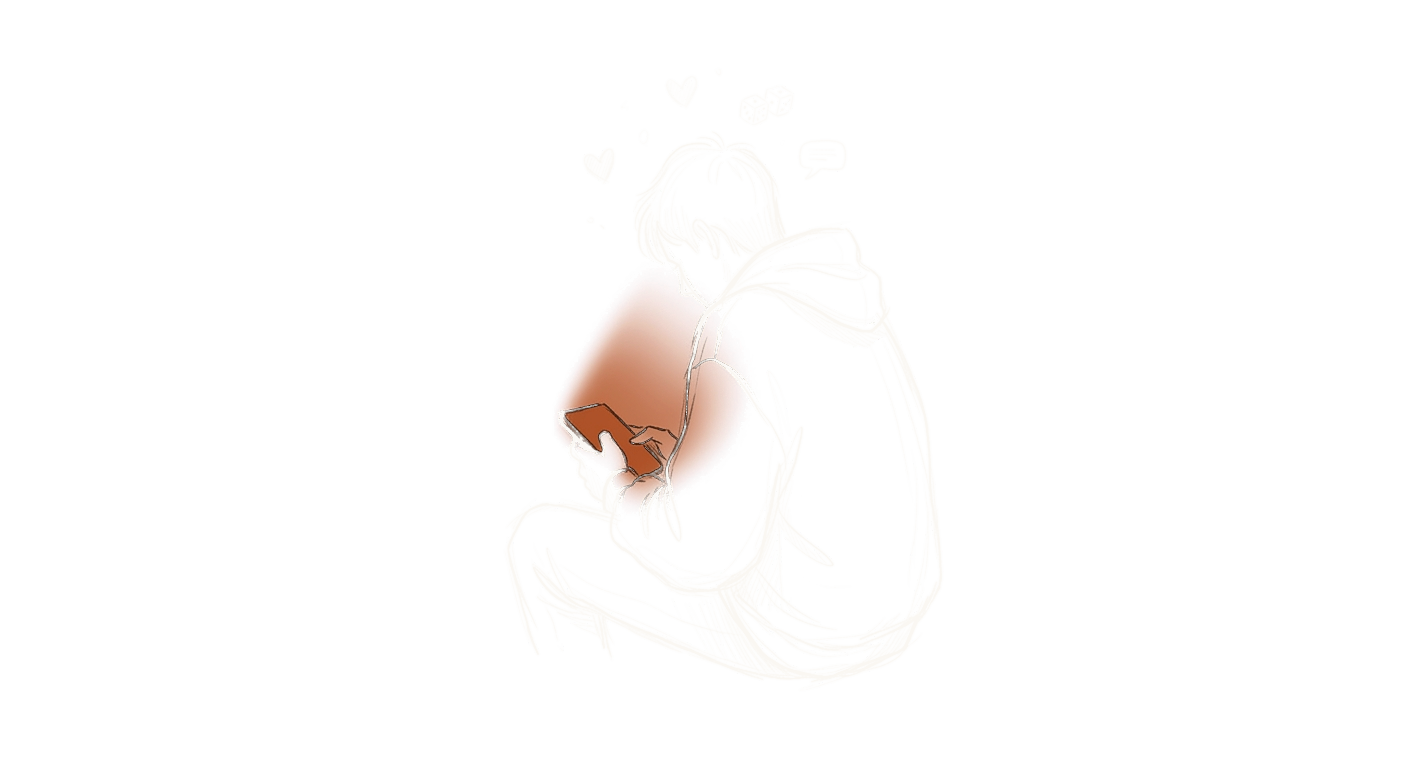
Past generations
Magazines have a last page. A bet meant finding someone willing to take it.
A feed has no last page, and it learns what captures a teen’s attention. Friends, feeds, a sportsbook and an AI companion, on a screen 24/7. A dealer in a pocket.
Adolescence today

engineered world
noun
The environment of products, platforms, and substances designed, tested, and tuned to capture the adolescent brain's drive for reward, novelty, and belonging.
Substance use doesn’t happen in isolation.
Over more than two decades of working with teenagers and their families, I’ve seen the landscape of substance use change firsthand—not just what teenagers use, but how they encounter it and the role it plays in their lives. Understanding what a teenager is using matters. Understanding the world around that use matters, too.
-
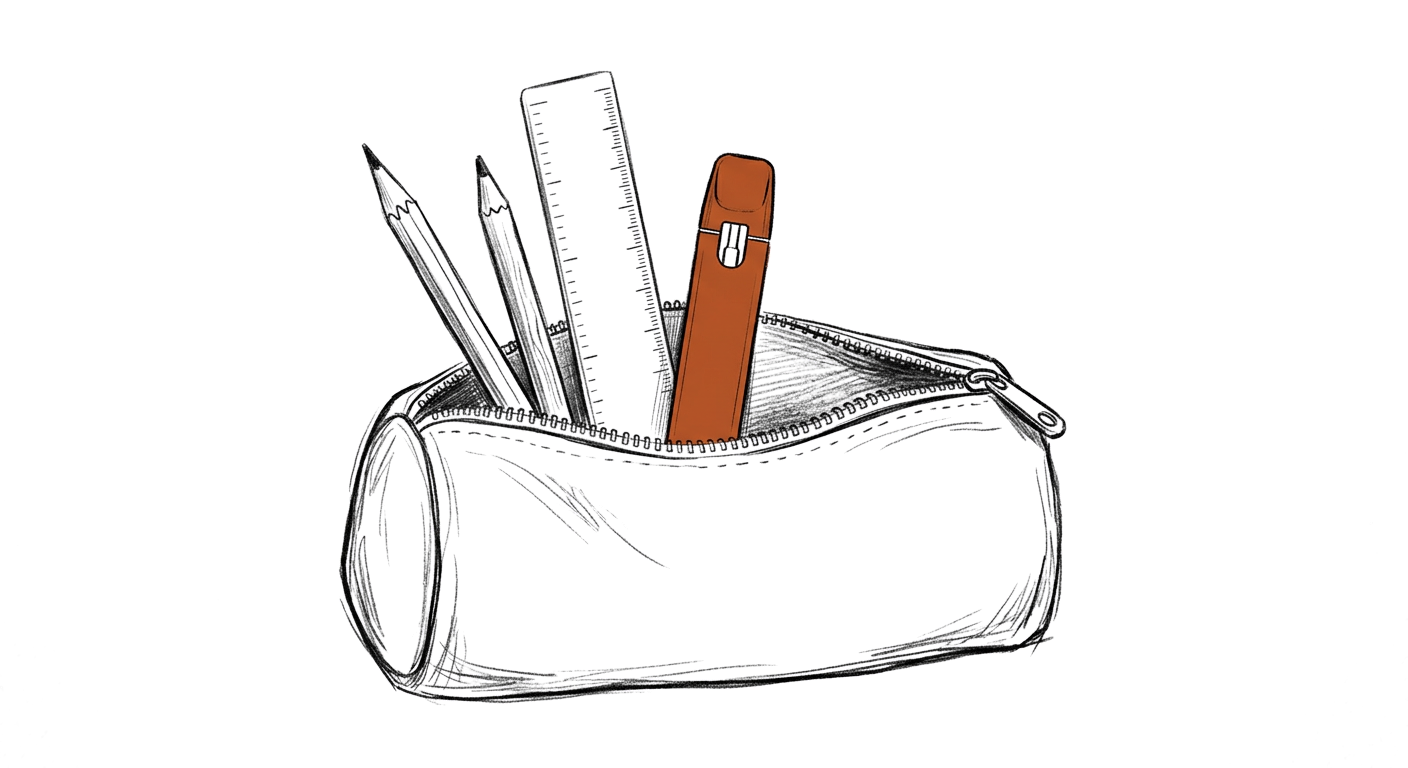
The Products Themselves
Vapes and cannabis products formulated for potency, flavor, and ease of concealment. Understanding what a teenager is using matters—not just whether they are using.
Nearly half of teens who used cannabis in the past year meet criteria for a use disorder (SAMHSA 2024).
-

The Feeds & Messages
What teenagers see online can shape what seems normal. Feeds can repeatedly expose them to favorable portrayals of substance use, while private messages can create routes to sellers.
One in three high school students use social media every hour or more (CDC, 2026).
-
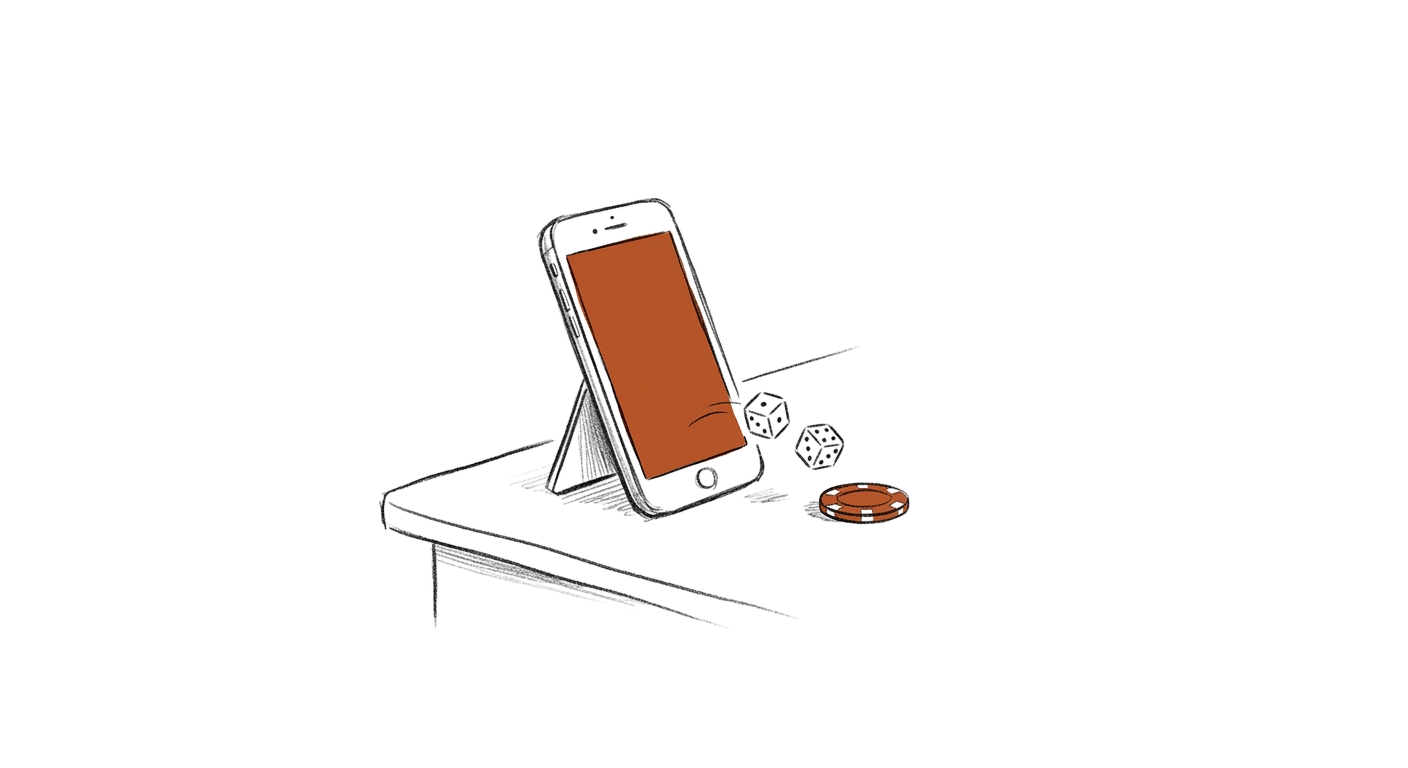
Betting & Gaming
For some teenagers, substance use sits alongside gambling or gaming that’s becoming difficult to control. Looking at them together can reveal patterns that are easy to miss in isolation.
36% of boys aged 11 to 17 gambled in the past year (Common Sense Media, 2026).
-
AI Companions
A teenager may bring questions about drugs, distress, or conflict to a chatbot before bringing them to a parent. What matters is not just whether they use it, but what advice they receive.
72% of teens (13-17) have used one, and half use them regularly (Common Sense Media, 2025).
The drives are normal. The risks are real.
Wanting novelty, reward, and belonging is part of adolescence. Those drives help teenagers explore and become more independent. But they can also make certain products and experiences especially appealing.
Understanding what draws your teenager to these experiences helps you decide where to set limits, where to give them room, and how to keep them talking.
Teenagers are learning to make their own choices in a world built to shape what they notice and want.
Our task is to set limits, make room for growing independence, and keep the conversation open.

Something feels off. Or maybe you already know.
Is what I’m seeing just my child growing up, or is it something more?
If you’ve already discovered drinking, vaping, or drug use, the question becomes: what now?
It’s understandable to want more information—to check the phone, search the room, or track where they go. Sometimes closer monitoring is necessary. But finding out what’s happening isn’t the same as understanding it.
Keeping that conversation open doesn’t mean backing away from limits. It means setting them while staying curious about what your teenager is experiencing—and making it possible for them to tell you things you may not want to hear.
That’s what I write about in Inside Adolescence: what the science can tell us about teenagers, substance use, and mental health—and how to use it when deciding what to say or do next.
Every week, delivered to your inbox. Unsubscribe any time.
Start with the latest.






































FROM INSIDE ADOLESCENCE
Picture a kitchen table after midnight. A mother sits there, waiting. Her son's curfew was eleven, nearly two hours ago, and the coffee she has reheated twice has gone cold.
No text. No call. Nothing.
She knows he’s a good kid. Mostly.
Her mind races through possibilities, and none of them make the waiting easier. She rehearses what she’ll say when he finally walks through the door, partly to pass the time, and partly to feel some sense of agency.
When he does come in, he’s up the stairs, two at a time, before she can speak. She’s left with the heavy scent of mint gum and body spray.
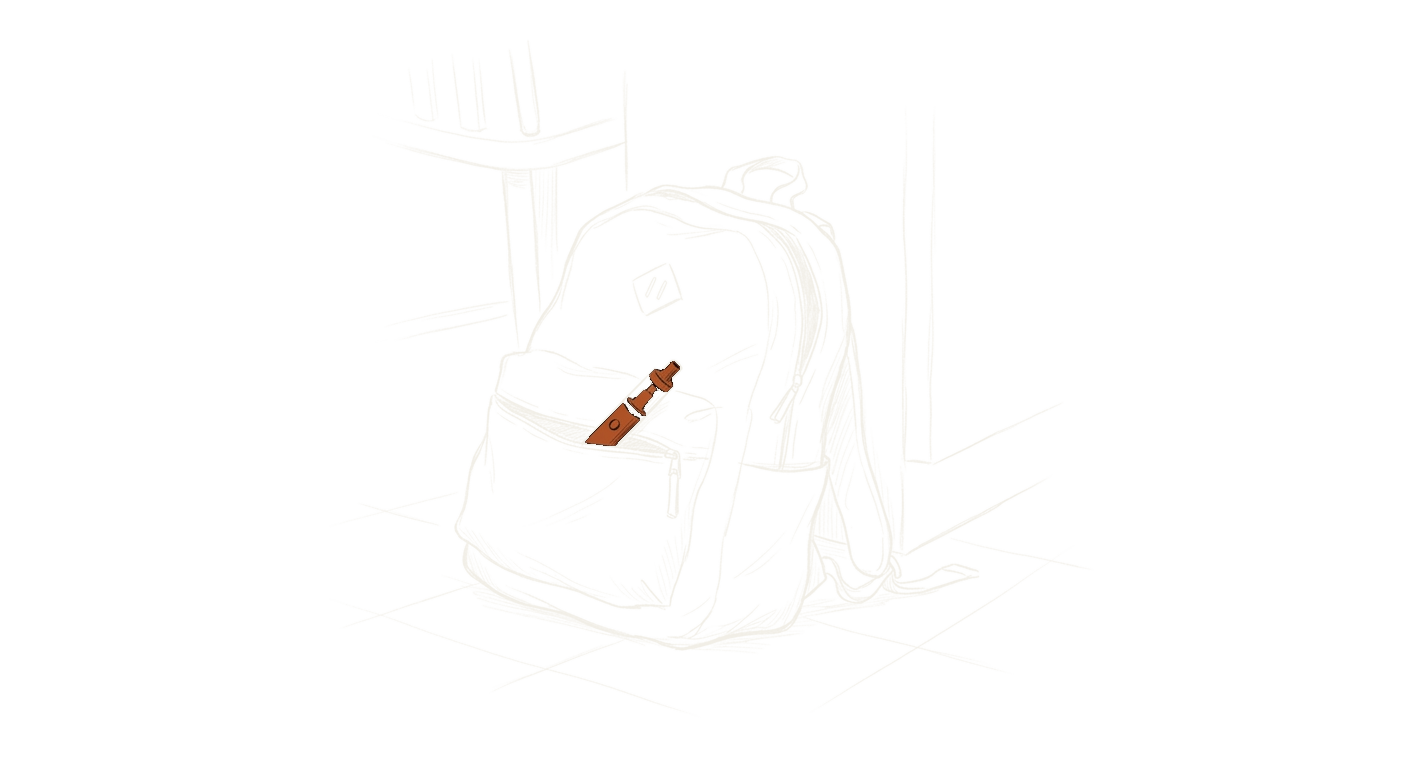
The next morning, she checks his backpack, something she told herself she wouldn’t do. She finds a vape pen, hard and plastic. It looks like nothing at all.
She sits down on the tile floor.
She does not know what to do next.
Parents in her place almost always ask the same question: Is this normal?
My short answer is that “normal” isn’t the most useful question.
Abridged excerpt
The more parents try to see everything, the easier it becomes to miss what matters.
Sooner or later, most parents find themselves at their own backpack moment, uncertain of what is wrong and unable to see what is happening. Inside Adolescence is written for that moment and more.

Why I started writing for parents
Candy-flavored vapes. Cannabis far stronger than anything most parents remember. Counterfeit pills that look like the real thing.
These are probably not the risks you grew up with. Your own teenage years can give you some perspective. They can’t always tell you what to do next.
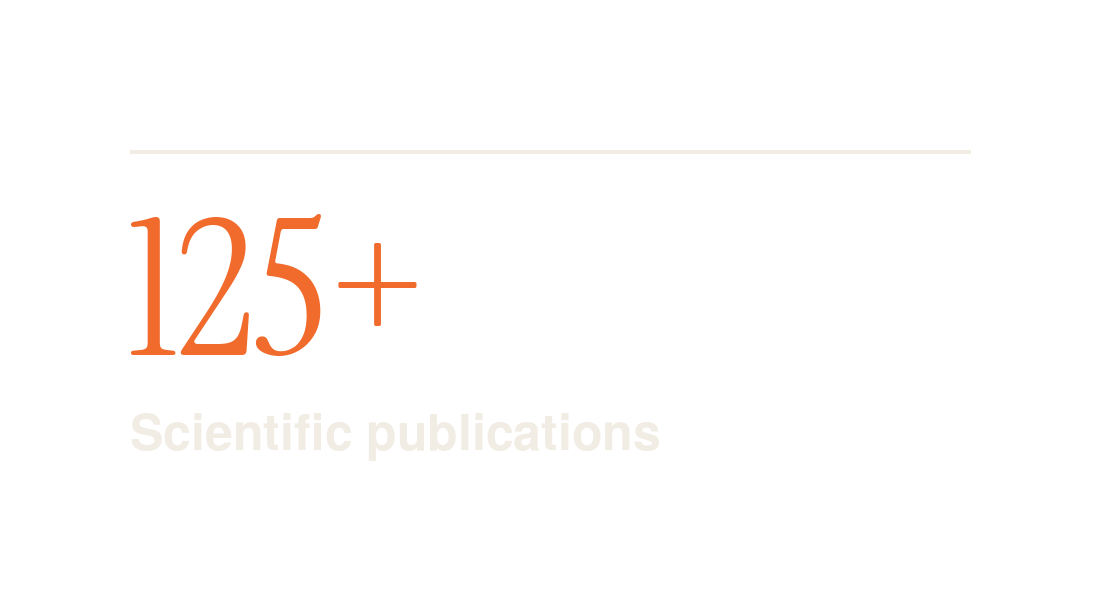
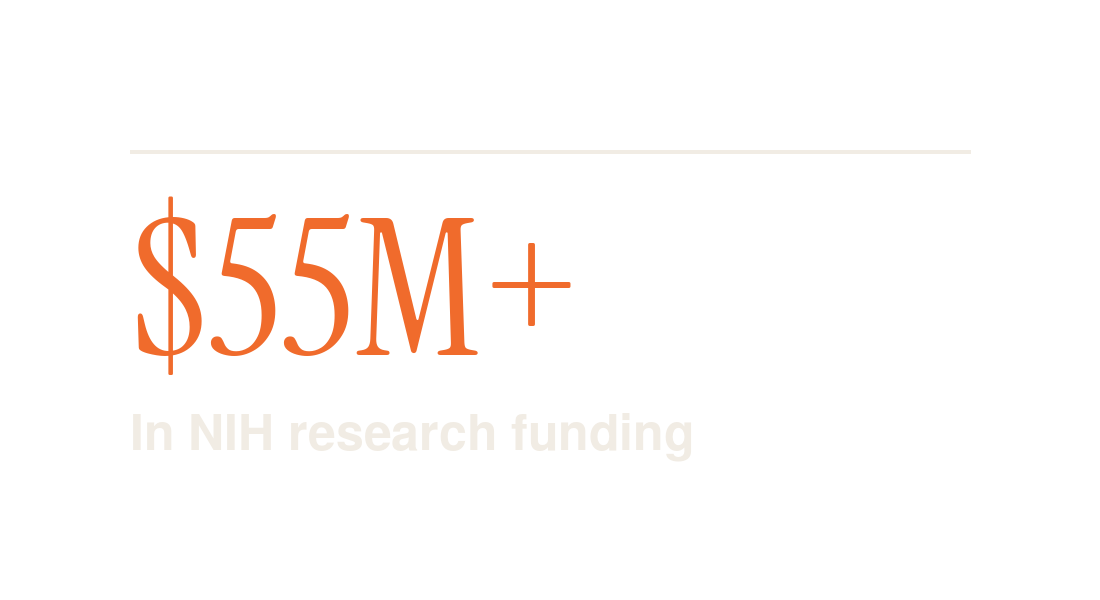
I am a clinical psychologist and a professor at Brown University. For more than twenty years, I have worked with teenagers and the parents who love them. In my lab, we study how alcohol and drugs affect the developing brain, and we test new ways to help young people. I founded Vista at Bradley Hospital, an adolescent treatment program recognized by the federal government as a national model.
I am also the father of two teenage daughters, so I know these years as a psychologist and as a parent.
Too much of what my colleagues and I learn in research and the clinic never reaches the families who need it. I write Inside Adolescence so it reaches yours. Every week, you’ll get clear, science-backed guidance drawn from two decades of working with families, and one practical thing you can use right away.
NOW WRITING · A BOOK FOR PARENTS OF TEENAGERS
It’s Not a Thing
Teenagers, Drugs, and a World Engineered to Reach Them
The more parents try to see everything, the easier it becomes to miss what matters.
This book follows four families through a year, beginning the day a parent first suspects something is wrong.
Each begins with the question nearly every parent asks: Is what I’m seeing my child growing up, or something else? These parents are not careless. Most are doing what they were taught, and watching it stop working.
The substances have changed. They are stronger, easier to hide, and designed to appeal to young people. So have the feeds and betting apps that reach the same kids. Parents are rarely told how to make decisions when the answers aren’t clear, or how to stay close to a kid who is pulling away.
It is easier to see your own family clearly after watching someone else’s. That is why this book spends its time in other families’ kitchens. A field guide at the back turns what they learn into practice. Names and identifying details of the families in this book have been changed to protect their privacy.
I write as a researcher, a clinician, and a father.
Worrying alone is the hard way.
Every week, one clear thing you can use. Inside Adolescence is free and takes five minutes to read.
Unsubscribe any time