
The Research
Vista Clinical Research Group brings together clinicians and scientists at Brown University and Bradley Hospital to answer a hard question: what actually helps young people who are struggling with alcohol, cannabis, and other drugs?

In the Lab
Why do teenagers respond to alcohol and drugs differently than adults do? And what do those differences mean for how substance use problems develop—and how we treat them?
Those questions guide my research at Brown University. My training in clinical psychology and neuroscience shapes how I approach them: I want to understand what teenagers experience when they use alcohol or drugs and use that knowledge to develop better treatments.
Since coming to Brown in 2001 for my clinical internship and postdoctoral fellowship, I’ve built a research program focused on adolescent substance use. My work has included studies of how teenagers experience alcohol and cannabis in their daily lives. Studying those experiences as they happen, rather than relying only on what teenagers remember afterward, helps us understand what makes substance use appealing and what may contribute to continued use.
Our team was the first to demonstrate in humans that adolescents experience alcohol as more rewarding than adults do. Animal studies had pointed in this direction. Our findings helped bring that work into a clearer understanding of teenagers’ experiences.
Vista Clinical Research Group
My team develops and tests treatments for teenagers with substance use disorders, including medication-based approaches. We study whether treatments can reduce the desire to use alcohol or drugs or lessen their rewarding effects.
Clinical work and research inform each other. Working with teenagers and their families keeps my research grounded in the problems they need help solving. Research gives us a way to test whether treatments actually help.
Across my research career, I have served as principal investigator on nearly twenty grants and contracts. The broader research portfolio I have contributed to includes over 60 foundation- and NIH-funded awards totaling more than $50 million. My published work includes more than 125 peer-reviewed publications and book chapters.
I also direct an NIH-funded postdoctoral training program at Brown, mentoring researchers who will carry this work forward.
As clinicians, we see where current treatments fall short for teenagers and their families. As researchers, we test ways to improve them.
That combination shapes the questions we ask—and the care we provide.
Contributed to over 60 foundation- and NIH-funded research grants and contracts totaling more than $50 million, serving as principal investigator on nearly 20.
❋ Research Funding
Authored or coauthored more than 125 peer-reviewed publications and book chapters.
❋ Publications
Direct an NIH-funded postdoctoral training program at Brown, preparing researchers to advance the study and treatment of substance use.
❋ Mentoring
This research is part of the scientific foundation of It’s Not a Thing. In the book, I bring it together with clinical experience to help parents understand their teenager’s substance use and decide what to do next.
Find out more about Dr. Miranda’s general audience writing. For additional details on his academic career, view Dr. Miranda’s CV.
Academic inquiries: Email Dr. Miranda at robert_miranda_jr@brown.edu
Non-academic writing inquiries: Visit Dr. Miranda’s Contact Page.

What we study
Most teens who need care never get it. We build and test digital programs for teens and parents to find out where they match a clinic and where they fall short.
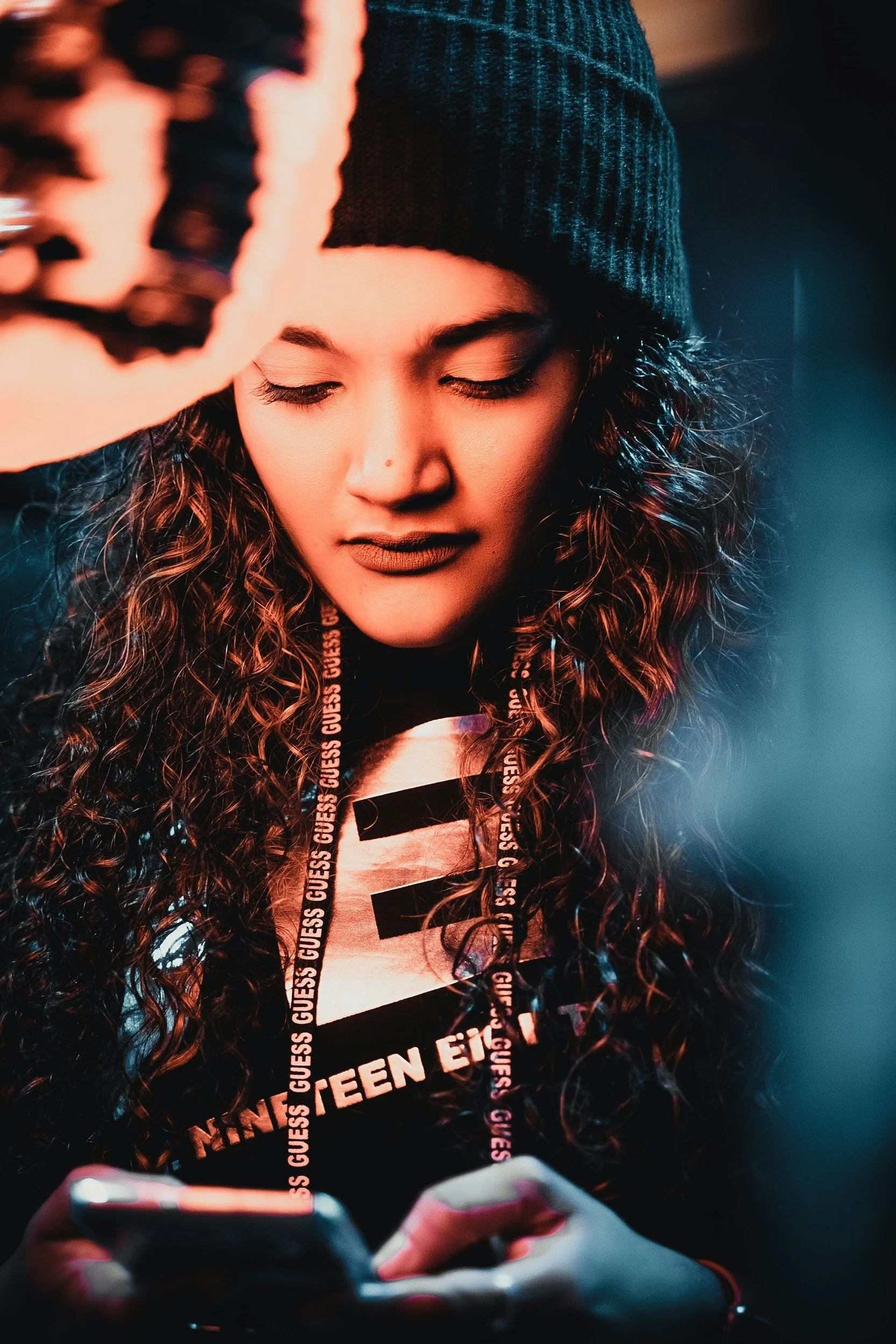
Can a phone deliver real treatment?

Why do some teens develop problems and others don't?
We follow young people through their ordinary days, capturing use, mood, and craving as they happen rather than asking people to remember weeks later.
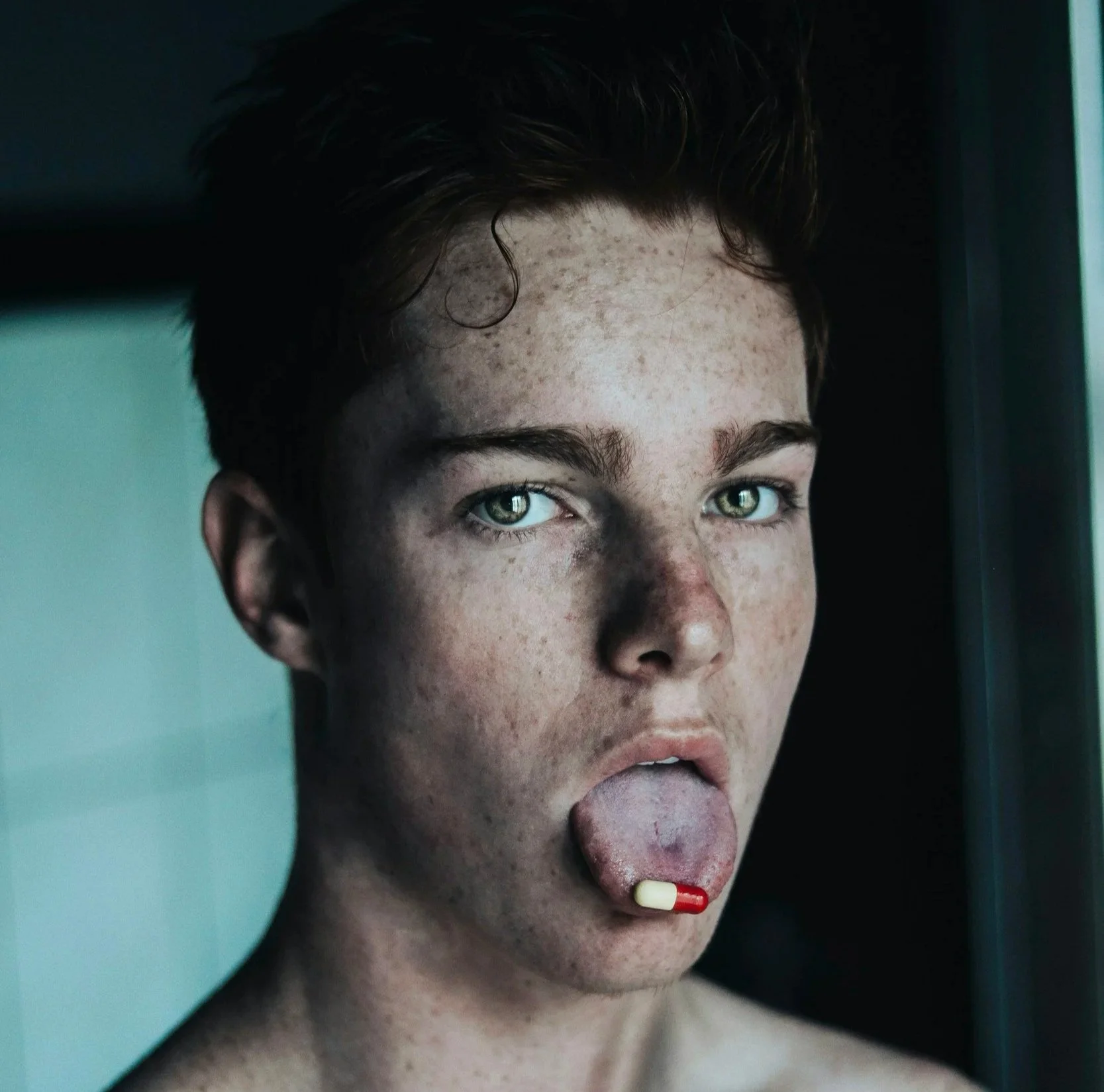
Can medication help young people cut back?
Almost every medication for substance use was tested in adults. We are one of a handful of teams anywhere testing whether they help adolescents—and how, and for whom.
Studies enrolling now
We're looking for teens, young adults, and families to take part in research on alcohol, cannabis, and other drug use.
These are research studies, not treatment. Taking part is voluntary, you can stop at any time.
Find out more about our research, call 401-863-6364 or email vistagroup@brown.edu
Our research extends beyond the current lab team. Former lab members, many of whom I mentored, are now colleagues at Colorado State, Notre Dame, Boston University, the University of Maryland, and Massachusetts General Hospital. We continue to collaborate on NIH-funded research.
Current Team and Research Collaborators
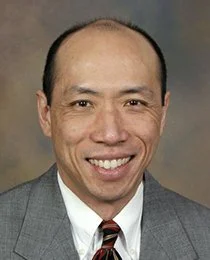
Thomas Chun, MD, MPH · Professor, Brown University Medical Staff, Hasbro Children’s Hospital
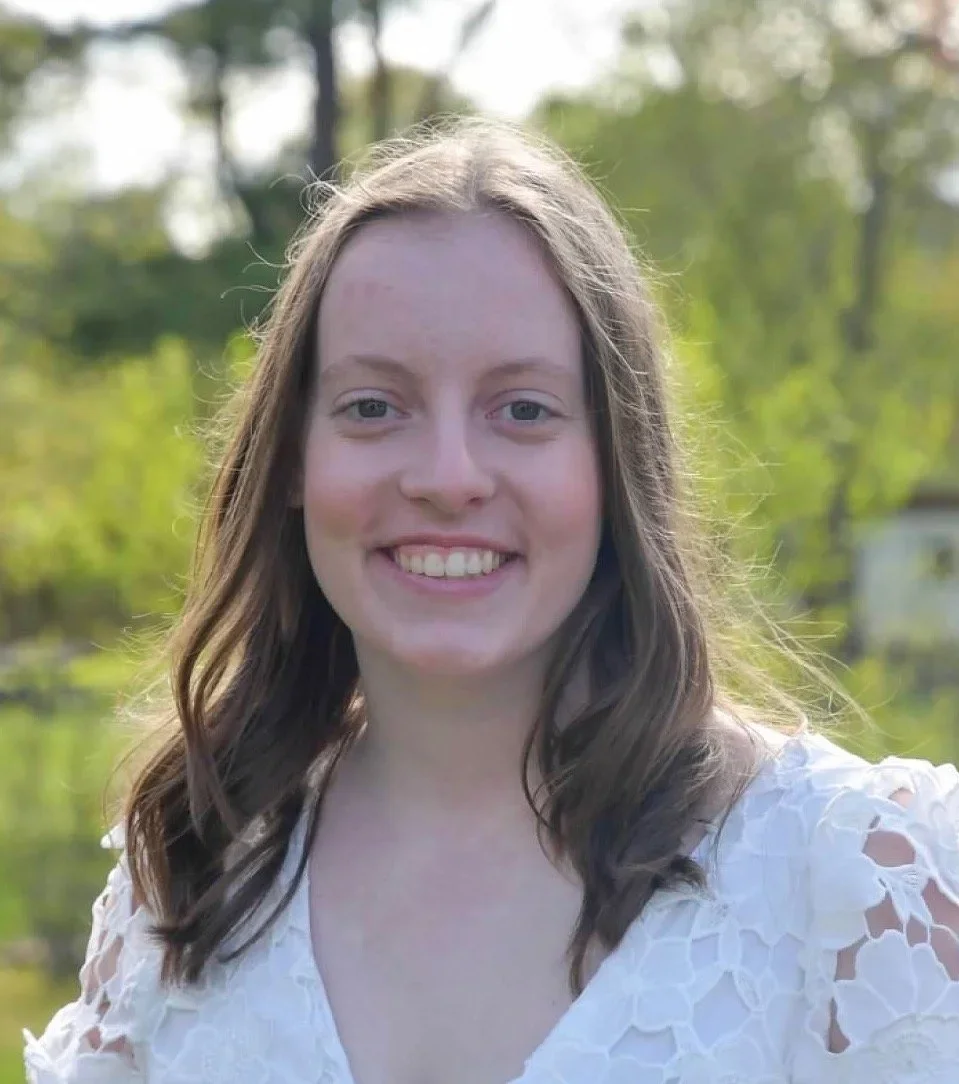
Madelyn Clancy · Research Assistant, Brown University
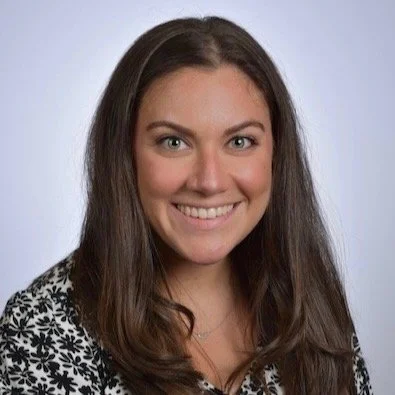
Julie Cristello, PhD · Postdoctoral Fellow, Brown University · Clinical Psychologists, Bradley Vista
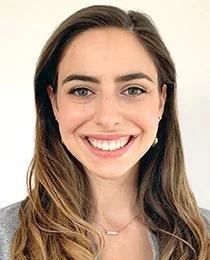
Audrey Bell · Clinical Psychology Graduate Student, Old Dominion University
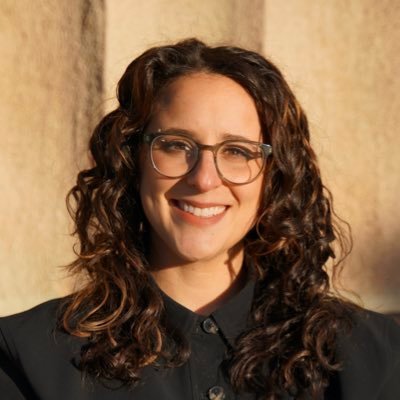
Silvi Goldstein, PhD · Current position: Postdoctoral Research Associate, Brown University
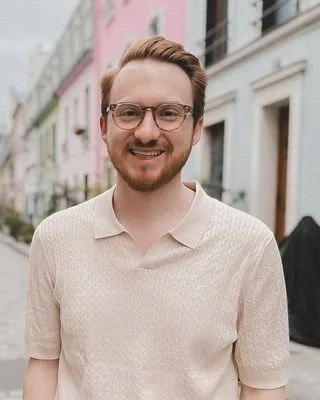
Samuel Acuff, PhD · Research Scientist, Massachusetts General Hospital’s Recovery Research Institute
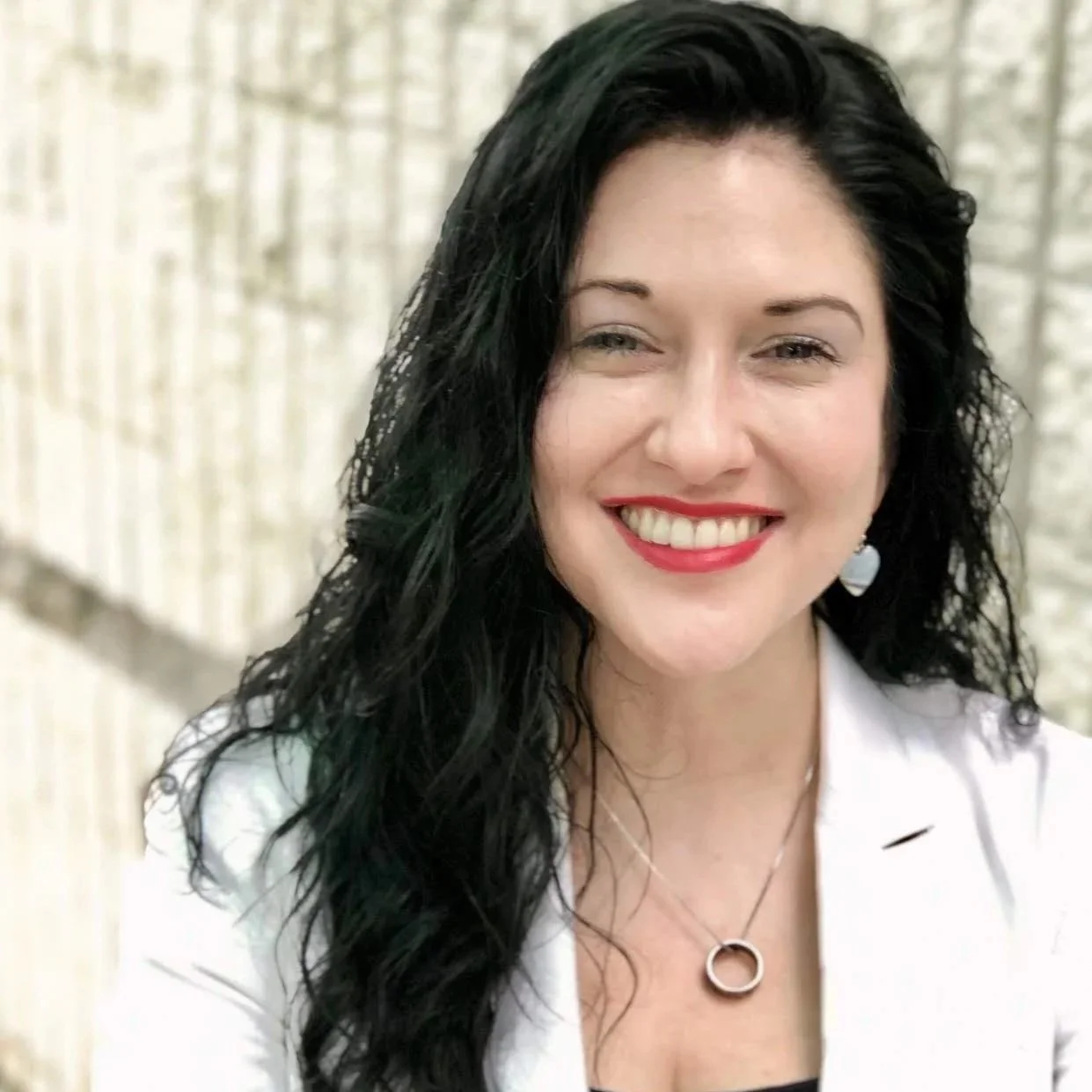
Samantha Portis, PhD · Assistant Professor, University of Missouri
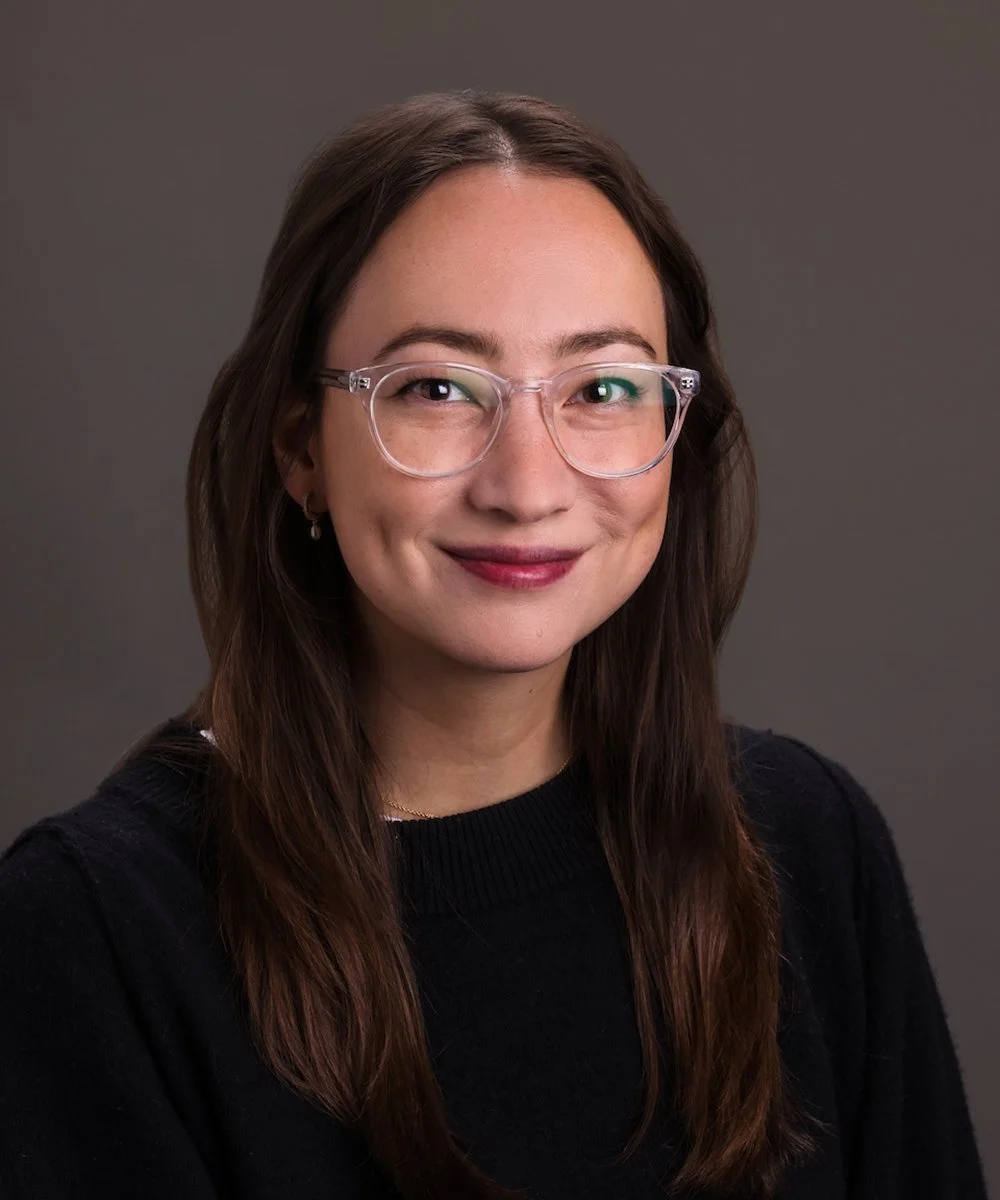
Andrea Wycoff, PhD · Assistant Professor, University of Missouri
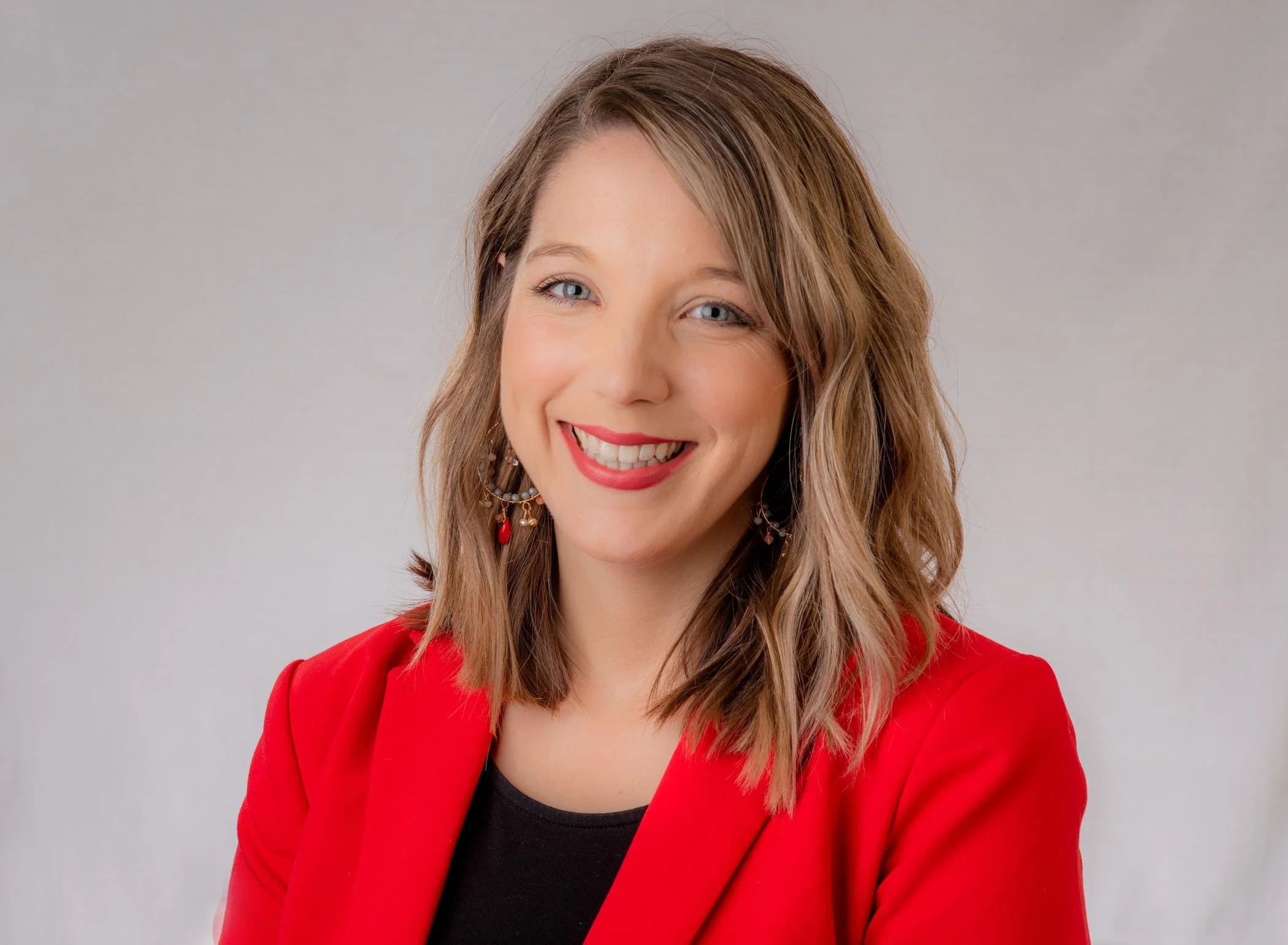
Melissa Pielech, PhD · Assistant Professor, Brown University · Clinical Psychologist, Bradley Vista
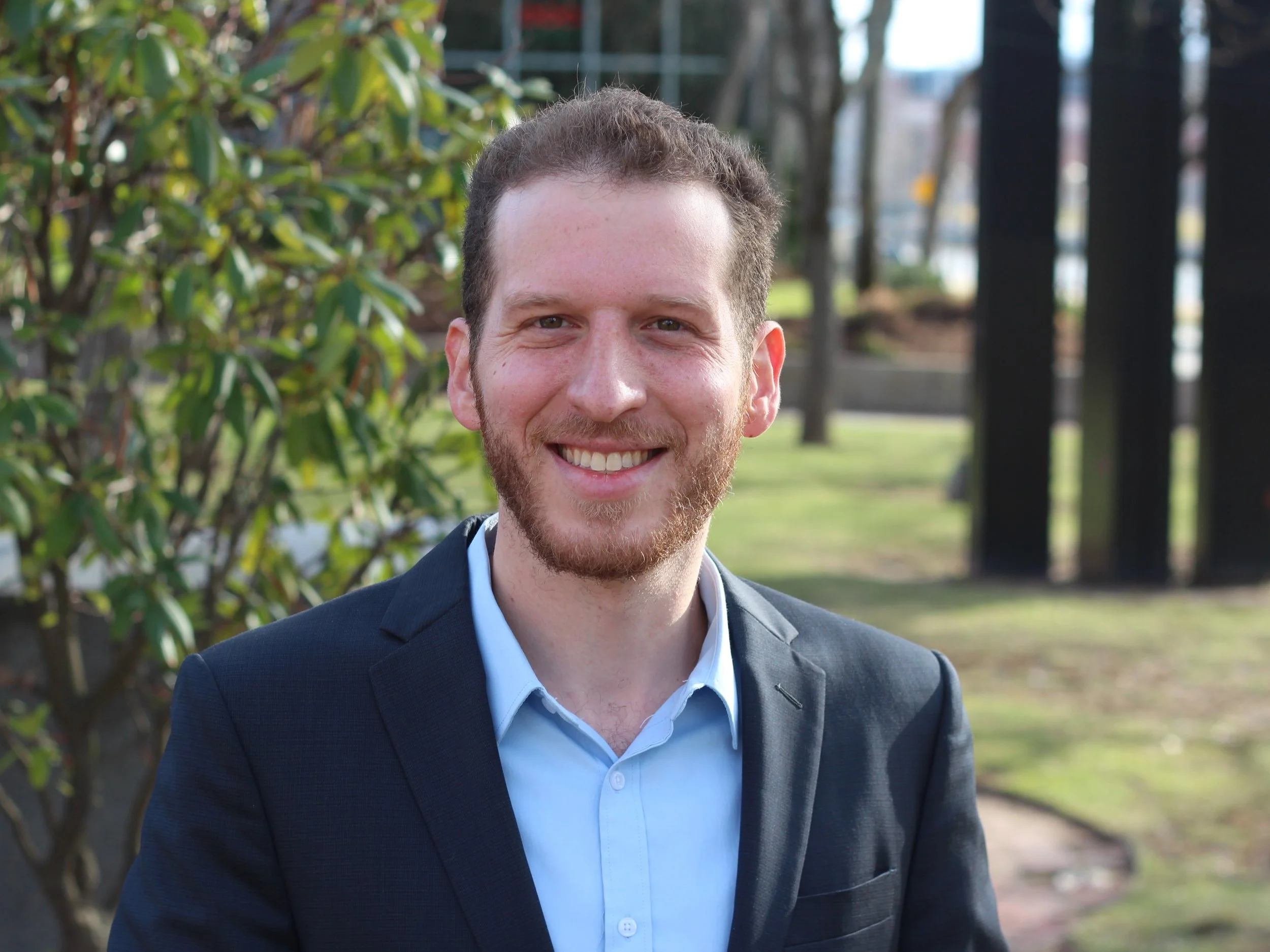
Jamie Parnes, PhD · Assistant Professor, University of Massachusetts, Amherst
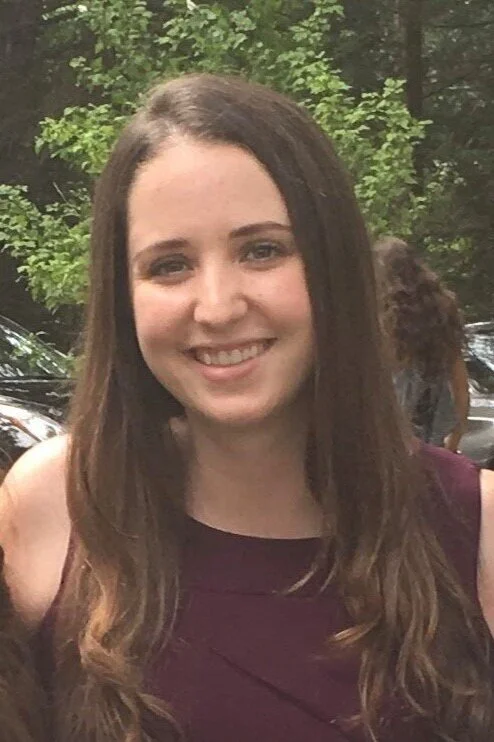
Kristin Rogers, MS · Project Coordinator, Brown University
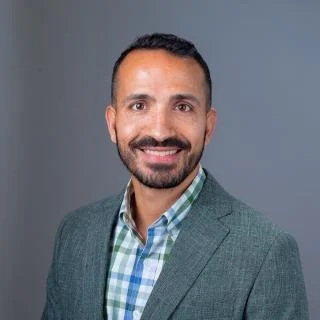
Ethan Mereish, PhD · Associate Professor, University of Maryland
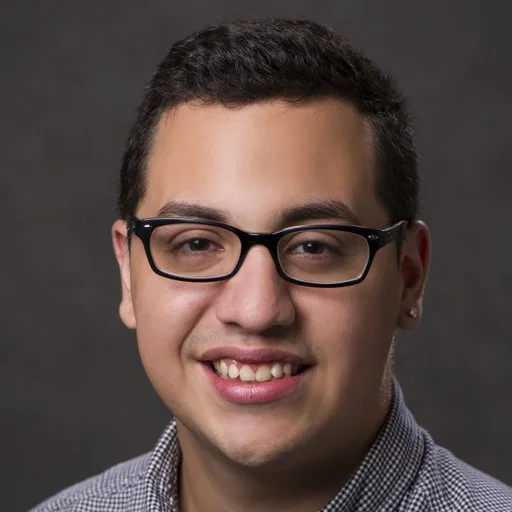
Robert Rosales, PhD · Assistant Professor, Brown University
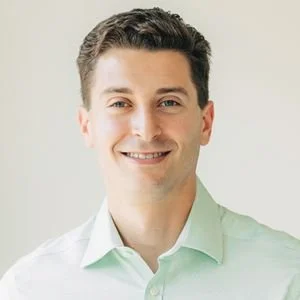
Samuel Meisel, PhD · Assistant Professor, Boston University
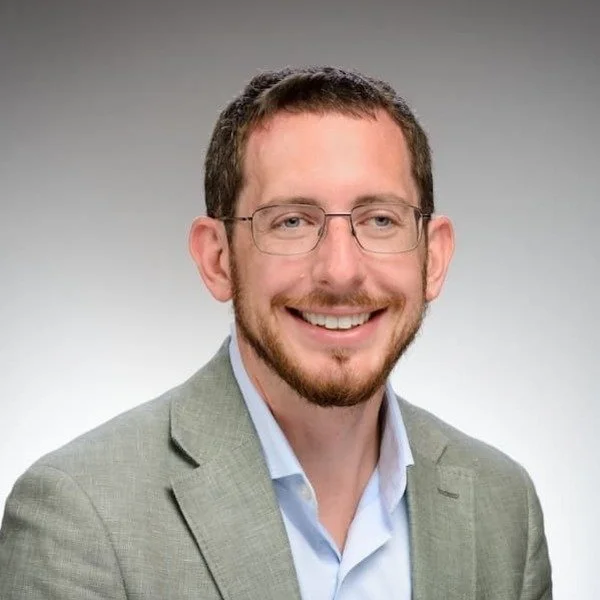
Ryan Carpenter, PhD · Assistant Professor, University of Notre Dame
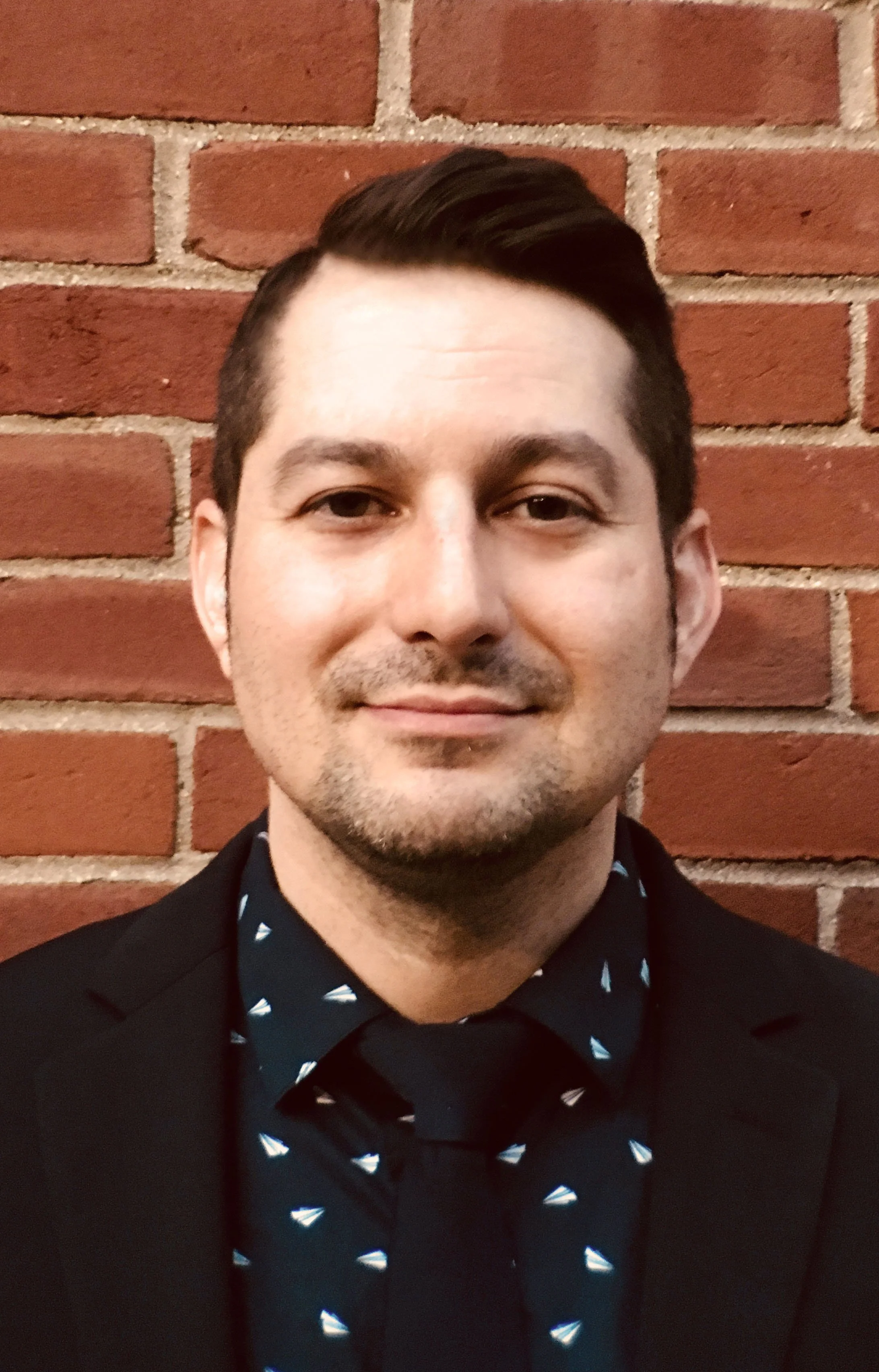
Noah Emery, PhD · Associate Professor, Colorado State University
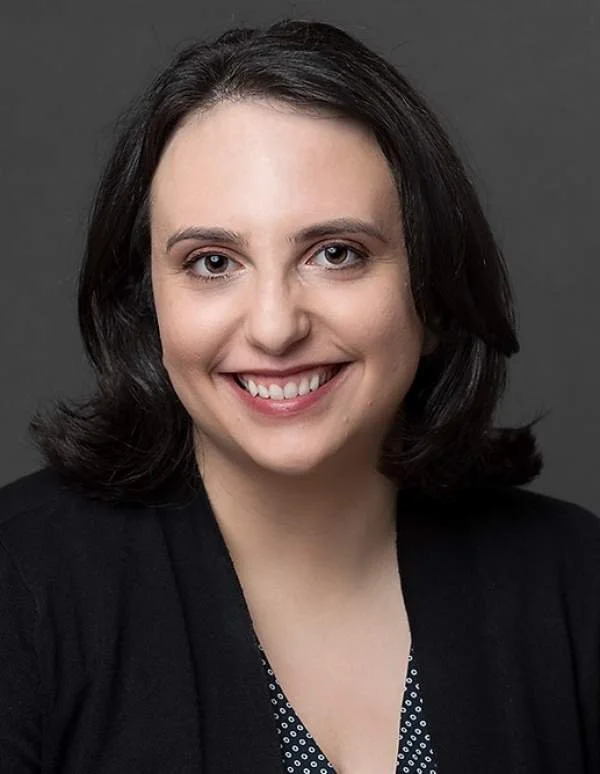
Tiffany Jenzer Research · Assistant Professor, State University of New York · University at Buffalo
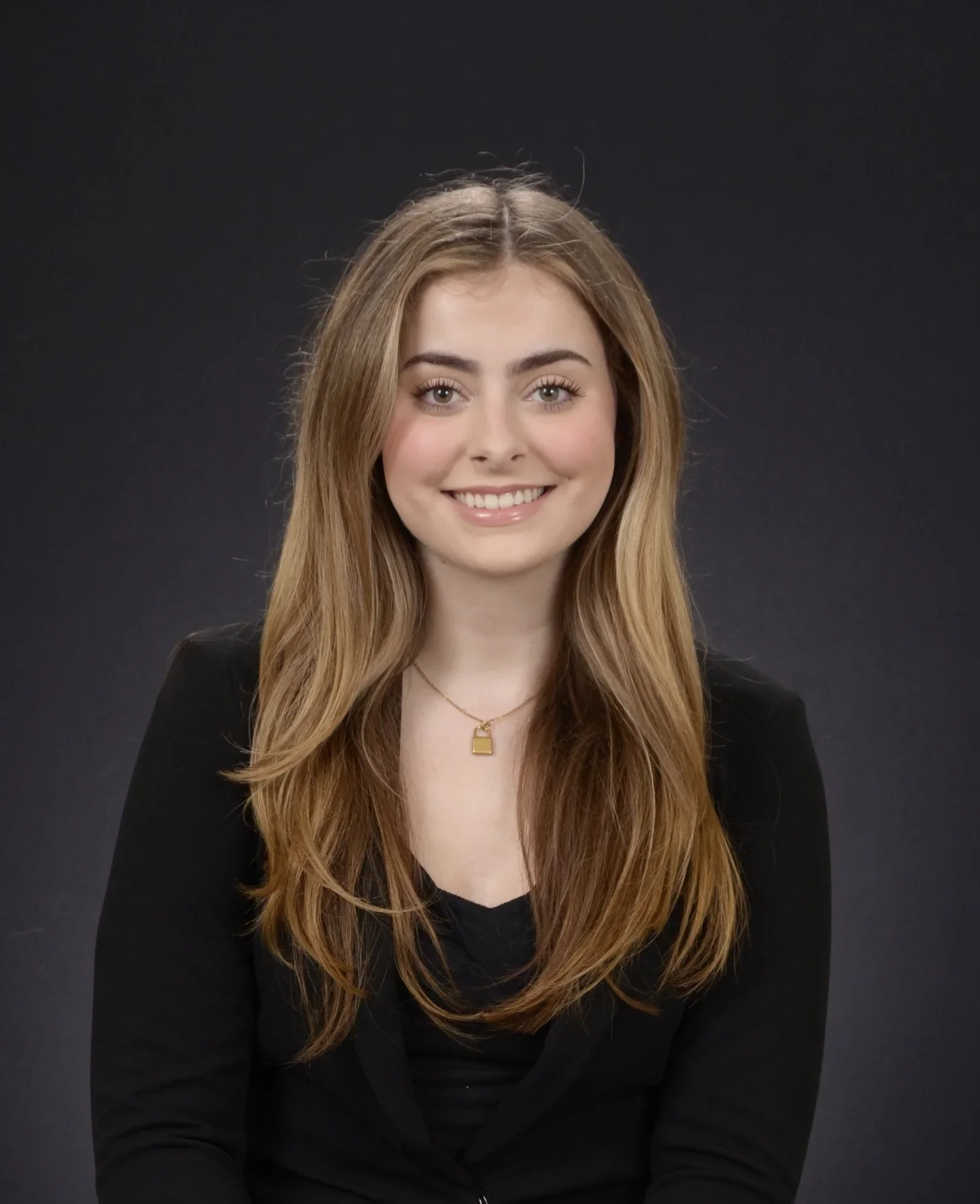
Olivia LeMarco · Research Assistant, Brown · University
Our research asks how alcohol and other drug problems develop in adolescence, which treatments work and for whom, and why some communities have far less access to care than others.
Selected Recent Academic Publications
-
Who is alcohol cue reactive? A machine learning approach
Kirsch, D. E., McManus, K. R., Grodin, E. N., Nieto, S. J., Miranda, R., Jr., O’Malley, S. S., Schacht, J. P., & Ray, L. A. (2025, July 28). Alcohol and Alcoholism
PMCID: PMC12368849 | https://doi.org/10.1093/alcalc/agaf052
-
Dynamic associations between cannabis use and sleep in adolescents and young adults during a cannabis intervention trial
*Parnes, J., Smith-LeCavalier, K. N., Meisel, S. N., & †Miranda, R., Jr. (2025, September 22). Journal of Research on Adolescence.
PMCID: In Process | https://doi.org/10.1111/jora.70083
-
The alcohol cue-exposure paradigm as a screening tool for alcohol use disorder medication development
Kirsch, D. E., Falk, D. E., Grodin, E. N., Leggio, L., McKee, S. A., Meredith, L. R., Mereish, E. H., Miranda, R., Jr., Nieto, S. J., O’Malley, S. S., Schacht, J. P., & Ray, L. A. (2025, September 10). Alcohol: Clinical and Experimental Research.
PMCID: In Process | https://doi.org/10.1111/acer.70170
-
Strong concordance and correlation between direct alcohol biomarkers and self-report of alcohol use among youth with variable drinking patterns
Meredith, L. R., Kirkland, A. E., Green, R., Tomko, R. L., Browning, B. D., Gray, K. M., Anton, R. F., Miranda, R., Jr., & Squeglia, L. M. (2025, May 18). Drug and Alcohol Dependence.
PMCID: PMC12617837 | https://doi.org/10.1016/j.drugalcdep.2025.112734
-
Planned versus unplanned daily substance use among sexual minority youth: The moderating role of social norms
*Mereish, E., Parnes, J., Rentería, R., & Miranda, R., Jr. (2025, May 13). Clinical Psychological Science
PMCID: PMC12530420 | https://doi.org/10.1177/21677026251377090
-
Preliminary effects of oral ANS-6637, an ALDH2 inhibitor, on cue-induced craving, safety and alcohol consumption among adults with alcohol use disorder: A proof-of-concept, randomized, human laboratory trial
O’Malley, S. S., Miranda, R., Jr., Book, S. W., Chun, T. H., Liss, T., Malcom, R., Muvvala, S., Treloar Padovano, H., Schacht, J. P., Blackburn, B., Diamond, I., Ransom, J., Ryan, M. L., Falk., D. E., & Litten, R. Z. (2024). Alcohol and Alcoholism.
PMCID: PMC11744046 | https://doi.org/10.1093/alcalc/agaf001
-
Effects of a novel GABA-B positive allosteric modulator, ASP8062, on alcohol cue-elicited craving and naturalistic alcohol consumption in a multisite randomized, double-blind, placebo-controlled trial
Schacht, J. P., Ray, L. A., Miranda, R., Jr., Falk, D. E., Ryan, M. L., Sakai, J. T., Chun, T., Scott, C., Ransom, J., Miotto, K., & Litten, R. Z. (2024). Alcohol: Clinical and Experimental Research.
PMCID: Not applicable (Unassociated with NIH grant) | https://doi.org/10.1111/acer.15468
-
Vicarious heterosexism-based stress induces alcohol, nicotine, and cannabis craving and negative affect among sexual minority young adults: An experimental study
*Mereish, E., & Miranda, R., Jr. (2024). Neurobiology of Stress, 32.
PMCID: PMC11381502 | https://doi.org/10.1016/j.ynstr.2024.100668
-
Effects of the social drinking context on subjective effects, affect, and next-day drinking appraisals in the natural environment
*Acuff, S. F., Treloar Padovano, H., Carpenter, R. W., Emery, N. N., & Miranda, R., Jr. (2024). Alcohol: Clinical and Experimental Research, 48(4), 755-765.
PMCID: PMC11015969 | https://doi.org/10.1111/acer.15286
-
Provider perceptions of systems-level barriers and facilitators to utilizing family-based treatment approaches in adolescent and young adult opioid use disorder treatment
*Pielech, M., Modrowski, C., Yeh, J., Clark, M. A., Marshall, B. D. L., Beaudoin, F. L., Becker, S. J., & Miranda, R. Jr. (2024). Addiction Science & Clinical Practice, 19(1).
PMCID: PMC10958911 | https://doi.org/10.1186/s13722-024-00437-x
-
Pairwise comparisons of three medication adherence outcomes in adolescents who use alcohol
Kirkland, A. E., Tomko, R. L., Green, R., Browning, B. D., Ferguson, P. L., Lui, H., Miranda, R. Jr., Gray, K. M., & Squeglia, L. M. (2023). Alcohol: Clinical and Experimental Research, 47(12), 2375-2385.
PMCID: PMC10755249 | https://doi.org/10.1111/acer.15216
-
Cannabis craving in response to alcohol cues in the laboratory and in daily life among adolescents ages 15 to 17.
*Wycoff, A. M., Rogers, K., Parlette, B., Miranda, R., Jr., & Treloar Padovano, H. (2023). Alcohol: Clinical and Experimental Research, 47(12), 2366-2374.
PMCID: PMC10756637 | https://doi.org/10.1111/acer.15215
-
Does sleep relate to next-day cannabis use? Findings from an adolescent and young adult motivational enhancement and cognitive behavioral therapy plus topiramate intervention
*Parnes, J., Berey, B., Pielech, M., Meisel, S. N., Treloar Padovano, H., & Miranda, R., Jr. (2023). Drug and Alcohol Dependence, 253, 1-7.
PMCID: PMC10842099 | https://doi.org/10.1016/j.drugalcdep.2023.111006
-
Navigating ethical challenges in psychological research involving digital remote technologies and people who use alcohol or drugs
Roberts, W., McKee, S., Miranda, R. Jr., & Barnett, N. (2023, May 12). American Psychologist, 79(1), 24-38.
PMCID: PMC10798215 | https://doi.org/10.1037/amp0001193
-
Peer elicited alcohol craving in adolescents and emerging adults: Bridging the laboratory and natural environment
*Meisel, S. N., Treloar Padovano, H., Pielech, M., Goodyear, K., & Miranda, R., Jr. (2023). Alcohol: Clinical and Experimental Research, 47(5), 975-985.
PMCID: PMC10394274 | https://doi.org/10.1111/acer.15057
-
*mentee or former mentee